
 Add as a preferred source on Google
A few months back, there was a trend of people using real images and turning them into Studio Ghibli-style pictures. The trend went so viral that ChatGPT would crash multiple times in a span of a few days. It also caused a controversy where it was revealed that Studio Ghibli had issued a warning letter to OpenAI CEO, Sam Altman, on using their creation without permission. However, it was all deemed fake as Studio Ghibli confirmed that they issued no such warnings.
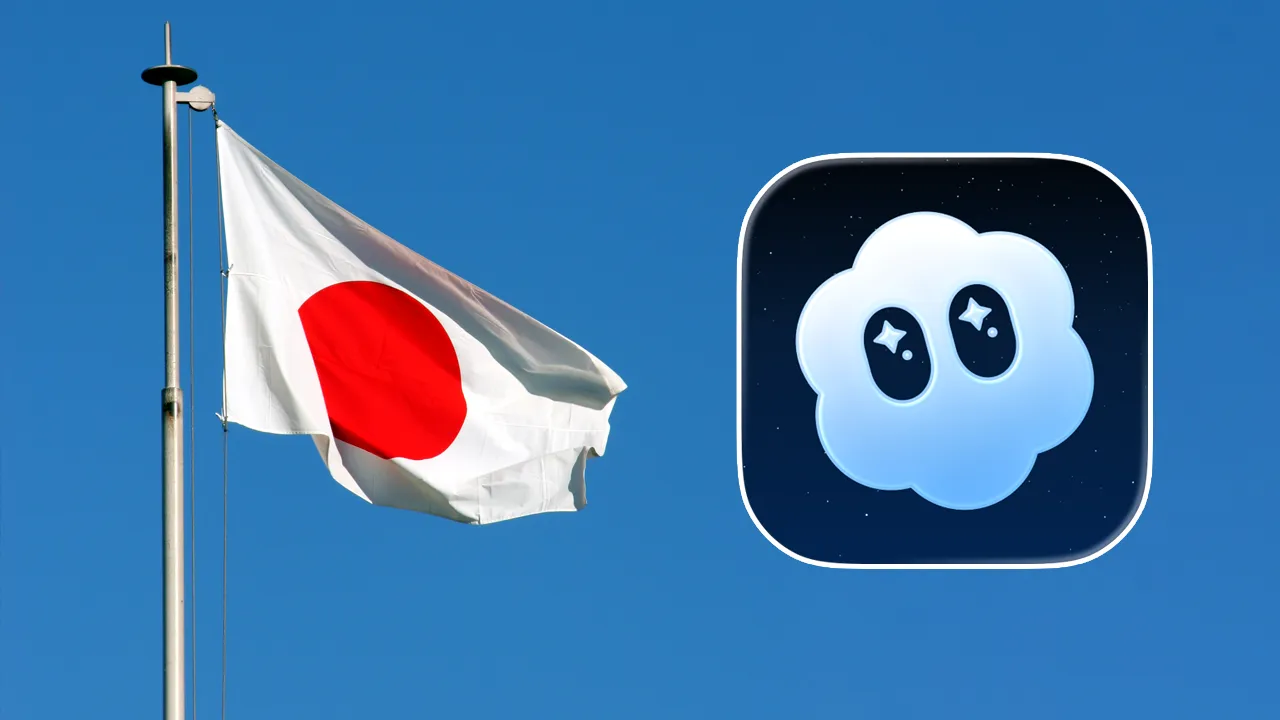
Almost six months after the incident, OpenAI launched another software, Sora 2, a video generator, on September 30, 2025. The widespread use of Sora 2 for anime video generation has led the Japanese Government to formally request that OpenAI refrain from such practices.
Japanese Officials Are Not Satisfied With OpenAI’s Latest Venture
OpenAI has been a great help to this generation by making things easier. With just a few clicks, people can get all the information in the world, create videos, complete tasks, do programming, etc. Following its success, OpenAI CEO Sam Altman launched Sora 2 on September 30, 2025. The platform is solely for video creation and generation. Unfortunately, people used it to generate anime videos like it was nothing. As a result, the Japanese Government formally requested OpenAI to operate Sora 2 in accordance with Japan’s copyright regulations.
The case is most likely surrounding copyright infringement issues. Anime and manga are Japan’s pride that bring them millions in revenue every year. So they would not like any kind of harm to the industry, especially since it has a worldwide fan following. During a press conference, Minister of State for Intellectual Property and AI Strategy, Minoru Kiuchi, stated, “Anime and manga are irreplaceable treasures that we can be proud of around the world. We have requested OpenAI not to engage in any actions that could constitute copyright infringement.”
Following his statement, Akihisa Shiozaki, member of the LPD Deputy Secretary-General and the House of Representatives, posted, “If the situation does not improve, we should consider exercising the investigative powers under Article 16 of the AI Promotion Act enacted in 2025 and requesting an explanation of Sora 2’s basic specifications, filtering measures, and track record of deletion responses.” Japan’s Digital Minister added that further legal actions may be exercised if things remain unchanged.

Sam Altman’s Reply
OpenAI CEO Sam Altman mentioned that only the right-holders will have the ability to justify how their characters/creations will be used by OpenAI. He further stated, “First, we will give rightsholders more granular control over generation of characters, similar to the opt-in model for likeness but with additional controls.” Altman also said that there might be a few leaks in the system that might see situations where the right-holders might not dictate their characters. However, the team is readily trying to fix everything in due time.
Sora 2’s Powerful Capabilities Spark Concerns in the Anime Community
Soon after its official launch, Sora 2 has already started showing off its strength in video generation. Whatever prompt was given to it, it generated a video almost identically. Its examples include Monkey D. Luffy (One Piece) and Tanjiro Kamado (Demon Slayer) having a conversation, and Son Goku (Dragon Ball Z) and Saitama (One Punch Man) fighting, trying to end the debate over who is the strongest.
Sora 2 can generate, edit, modify, simulate, remix, blend, and expand videos based on the information provided by the user. OpenAI can turn 2D videos into 3D, completely changing the perspective of the original creation. It is not only through text prompts but also through images and videos can the information can be processed. Even after such powerful abilities, there are a few limitations, like limited video length and causality, accessing, etc.
The horrifyingly beautiful part is that none of these feel out of place, and it looks like the original mangaka made such panels, which have been later adapted into videos. While these seem entertaining, they also discourage the hard work that the mangaka or anime studios go through to put up the best possible plots. It is satisfying to see the rapid progression of Artificial Intelligence, but it should refrain from replacing art and culture. For that reason, the Japanese Government has stepped in.
Source: ITMedia

Priyanko is currently pursuing his Master’s in Economics. He loves to read manga or watch anime in his spare time. He is a massive fan of One Piece, Naruto, and Haikyu. Amidst the Great Pirating Era, he wishes to become the greatest Hokage, even though he is short.
Leave a Reply